
C-P Systems
PROCESS SAFETY
Process safety is essential to keeping your facility compliant, reliable, and safe. Whether you’re addressing OSHA PSM requirements, updating relief system documentation, or managing process changes, unrecognized hazards can lead to safety incidents, downtime, and regulatory challenges. Proactively identifying risks and integrating safety measures into your operations helps you avoid costly disruptions and maintain compliance. With expert guidance and clear, actionable solutions, C-P Systems helps you strengthen your safety systems, meet regulatory standards, and keep your operations running efficiently.

Process Safety Services
Relief System Design and Analysis
Mechanical Integrity Assessment
OSHA PSM Compliance Support
Piping Specifications
P&ID Walkdown and As-Built Documentation
PHA and HAZOP Studies
Management of Change and Pre-Startup Safety Reviews
Benefits of Process Engineering

REGULATORY COMPLIANCE

OPERATIONAL RELIABILITY

DECREASE DOWNTIME

ENHANCED SAFETY SYSTEMS

EMERGENCY PREPAREDNESS

CLEAR DOCUMENTATION
About C-P Systems
Process Safety That Works in the Real World
At C-P Systems, we take a proactive, integrated approach to process safety, ensuring that safeguards work within real-world operational constraints. Often, critical safety systems are rendered ineffective by routine tasks or process changes. This is why we collaborate closely with safety, operations, and maintenance teams to design solutions that prevent risks before they become issues.
With deep expertise in hazardous chemicals, hazardous material handling and area classifications, and high-pressure systems, we help you minimize regulatory risks, improve reliability, and ensure compliance with OSHA PSM, API, ASME, and NFPA standards. Whether assessing hazards, improving documentation, or integrating safety measures, we deliver practical solutions tailored to your facility’s needs.
Actionable Deliverables
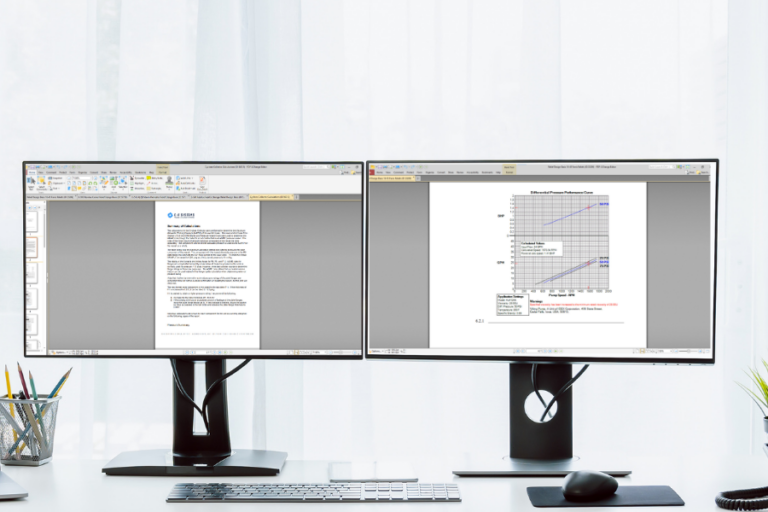
Our deliverables translate complex safety requirements into clear, practical steps, ensuring your facility remains safe, compliant, and prepared:
- PHA and HAZOP Reports with Actionable Safety Recommendations
- Relief System Design and Documentation
- Mechanical Integrity Assessment Reports
- Equipment Pressure Evaluation
- Intelligent P&IDs Reflecting Safety System Modifications
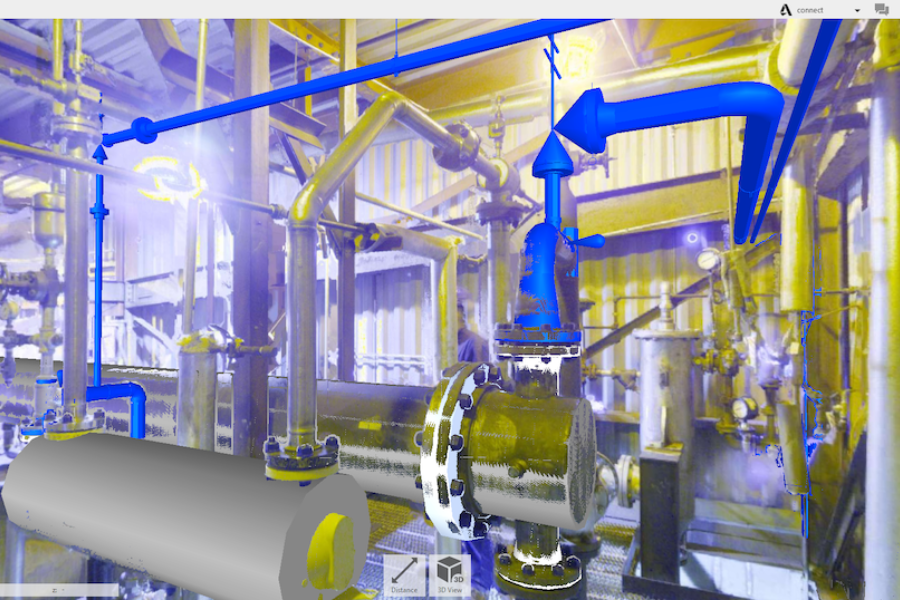
- 3D Models
- Piping Specifications
What Our Clients Say
“My experience working with C-P Systems on this project was extremely satisfying. Their level of organization and professionalism was the best I have been associated with and the attention to detail along with the knowledge of the code to get us to the correct results made the project run smoother and saved time by reducing unnecessary rework. The final packages are extremely complete and require little to no in field measurement verification. I try to use them on every project I work on.”
— Dan Kennedy, Principal Process Technology Engineer – Global Engineering, Kraton Chemical, LLC
Frequently Asked Questions
What is process safety? What is the purpose of PSM?
Process safety focuses on preventing unintentional releases of hazardous materials. OSHA’s Process Safety Management (PSM) standard requires facilities that handle significant quantities of hazardous materials to systematically manage risks through documentation, training, procedures, and regular reviews. Our goal is to protect people, equipment, and the environment.
What is included in a process safety study? What type of data does process safety information include?
Our process safety services include evaluation of chemical hazards, relief systems, operating procedures, documentation, and control strategies to help clients meet OSHA PSM requirements. With deep industry experience and an integrated design approach, we tailor every study to your specific process and facility needs to deliver actionable, accurate insights that minimize risk and improve compliance.
What is a Process Hazard Analysis (PHA)?
A PHA is a structured safety review used to identify potential process hazards and assess safeguards. Methods include HAZOP, what-if analyses, and checklists. It’s a key part of PSM compliance and risk management.
Who needs to comply with OSHA’s PSM standards?
Any facility that handles of highly hazardous chemicals, flammable liquids and gases, and explosives, as defined by OSHA 1910.119, is subject to PSM. This includes many chemical and industrial manufacturing sites.
How often should a PHA be updated or revalidated?
A PHA should be updated every 5 years, at minimum. However, updates may be required sooner if processes change significantly. We help clients plan for timely revalidations and maintain ongoing compliance.
Related Services
Process Engineering
Optimize every step of your processes, from concept to implementation, to achieve efficient, safe, and cost-effective production.
Process Equipment Design
Get equipment specifications and designs to meet your unique process needs, ensuring reliability, optimal performance, and adherence to industry standards.
Feasibility Studies
Receive a thorough assessment of technical feasibility, process compatibility, and seamless integration with your existing infrastructure or a detailed front-end engineering and design (FEED) study.
Case Study
Relief Study Ensures Compliance for WFE System
When a biobased chemical manufacturer needed to ensure their Wiped Film Evaporator (WFE) systems were fully compliant with OSHA and API standards, they turned to C-P Systems. Through our phased approach, we identified critical gaps in their overpressure protection, delivered detailed P&IDs, and provided a comprehensive mechanical construction package. Our efforts minimized downtime, ensured safety, and optimized their system performance. Explore how we helped the client achieve compliance and enhance efficiency.
C-P Systems
CONTACT US
Contact us today to discuss feasibility study options for your project.